

No products in the cart.
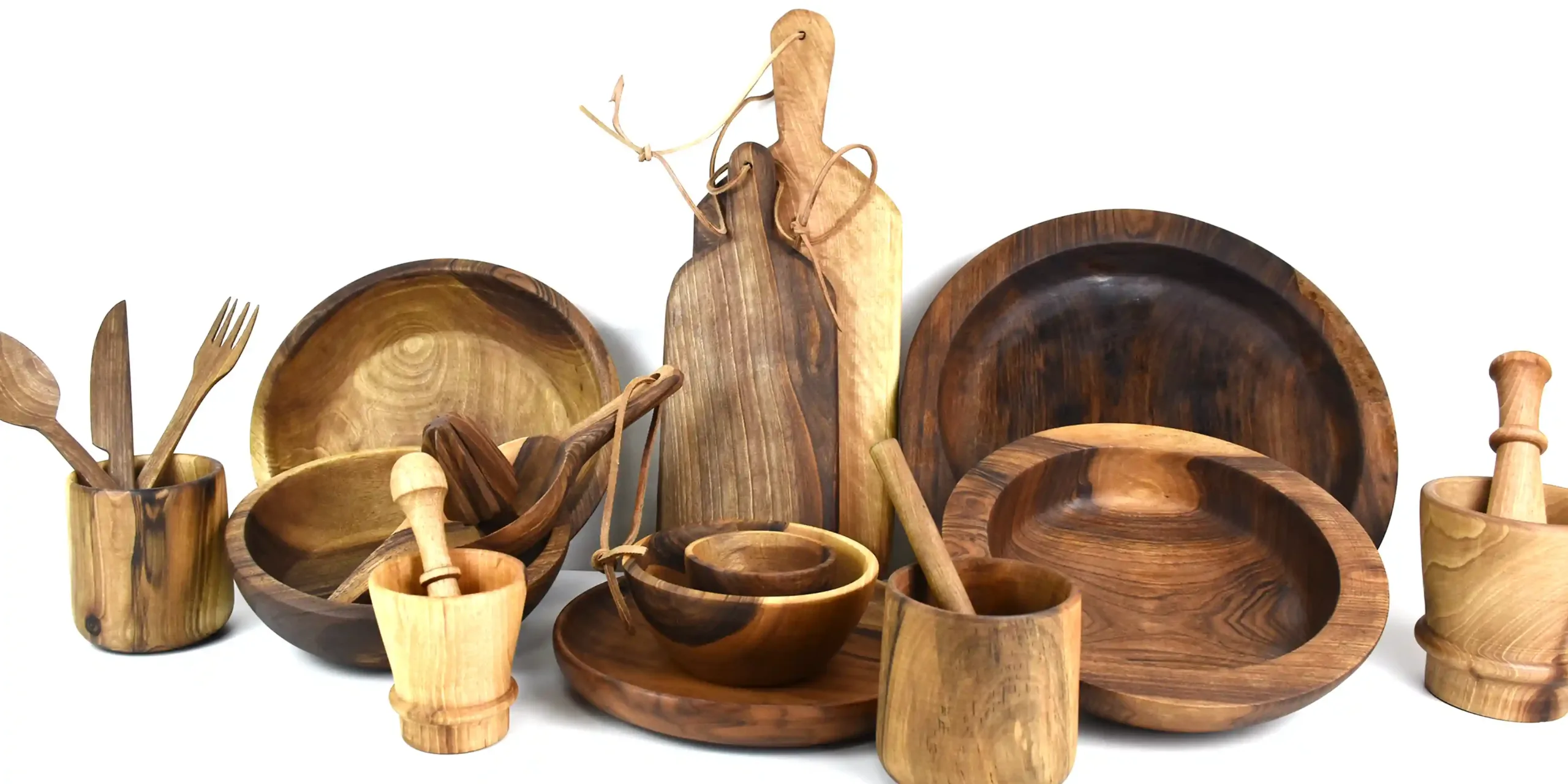
Wooden products have been used in kitchens for thousands of years, but are they really safe for food preparation? If you’ve ever questioned whether wooden kitchenware is healthy for your family, you’re not alone. The good news is that science backs up what our ancestors knew—wooden products aren’t just safe, they’re actually healthier in surprising ways.
Understanding Wooden Products and Food Safety
When it comes to kitchen safety, wooden products might not seem like the most hygienic choice. We’ve been told that plastic is cleaner because it can go in the dishwasher. But recent research tells a completely different story that might surprise you.
The Science Behind Wood's Natural Properties
Wood isn’t just a pretty kitchen accessory—it’s a living material with remarkable antimicrobial properties. The cellular structure of wood contains natural compounds that actively fight harmful bacteria. Research shows that hardwoods like walnut possess inherent antibacterial characteristics that make them ideal for food contact.
When you use a Handcrafted Walnut Cutting Board from WoodenLife, you’re working on a surface that naturally fights bacteria. Wood fibers absorb bacteria into their structure where organisms become trapped and die. This is completely different from plastic surfaces where bacteria thrive in knife grooves and scratches.
Common Myths About Wooden Kitchen Products
Many people believe wooden products harbor more bacteria than plastic ones, but scientific studies have thoroughly debunked this myth. Landmark research by microbiologists found that wooden cutting boards were actually safer than plastic alternatives. After contaminating both surfaces with harmful bacteria, wooden boards had far fewer recoverable organisms after just a few hours.
Another misconception is that wooden products can’t be properly cleaned. In reality, maintaining wooden kitchenware is simple and highly effective. A quick wash with hot soapy water and thorough drying handles daily cleaning perfectly well.
The 7 Health Benefits of Using Wooden Products Daily
Now that we’ve established safety, let’s explore the specific health benefits that make wooden products superior to alternatives.
- Natural Antimicrobial Properties
Unlike plastic or glass, wood actively fights bacteria through natural tannins and antimicrobial compounds. Studies show that bacteria placed on wooden surfaces die off naturally within hours, while they multiply on plastic. Every time you prepare food on a Handcrafted Walnut Cutting Board, the wood’s natural defenses protect your family’s health.
Walnut wood contains particularly high levels of antimicrobial compounds. This makes products like the Gesea – Traditional Moroccan Walnut Serving Tray both beautiful and hygienic. The natural protection is always working, even when you’re not actively cleaning. - Chemical-Free Food Preparation
Plastic products can release harmful substances into your food, especially when exposed to heat or acidic ingredients. Some plastics contain BPA, phthalates, and other endocrine disruptors that migrate into meals. Wooden products eliminate this concern entirely since wood is completely natural and inert.
When you use a Handcrafted Walnut Wood Fork to serve salad or pasta, no synthetic chemicals contaminate your food. There are no hidden additives, plastic polymers, or chemical coatings to worry about. For families with young children, this peace of mind is invaluable. - Knife-Friendly Surface That Protects Your Health
The surface you cut on affects more than just knives—it affects safety too. Hard surfaces like glass dull knives quickly, and dull knives are dangerous because they slip more easily. Wooden cutting boards provide the ideal surface: firm enough for control but soft enough to protect blade edges.
Sharp knives are safer knives, requiring less pressure and giving better precision. When you cut on hard surfaces, tiny particles can end up in your food. Would you rather consume organic wood fibers or plastic particles? The WoodenLife Handcrafted Walnut Cutting Board keeps knives sharp while keeping food pure. - Reduced Plastic Waste and Environmental Toxins
Microplastics have been found in human blood, lungs, and placentas. These particles come from breakdown of plastic items, including kitchen products. Every time you use plastic utensils or boards, microscopic particles can break off and enter your body.
Wooden products from WoodenLife are biodegradable and sustainable. When properly sourced, they represent a closed-loop system without environmental toxins. You’re making a choice for long-term health and protecting future generations. - Better for Sensitive Skin and Allergies
Many people develop contact dermatitis from repeated exposure to synthetic materials. Plastic utensils contain additives and dyes that trigger allergic reactions. Wood is hypoallergenic and gentle on sensitive skin, making it ideal for anyone with chemical sensitivities.
When you handle a Handcrafted Walnut Wood Fork or the Gesea – Traditional Moroccan Walnut Serving Tray, you’re touching completely natural material. The smooth, naturally finished surface feels pleasant and won’t irritate skin. For individuals with multiple chemical sensitivity, wooden kitchenware provides a truly safe alternative. - Thermal Insulation for Safer Handling
Wood has excellent thermal insulation properties, meaning it doesn’t conduct heat like metal or ceramic. When you use wooden utensils for cooking, you can safely stir hot foods without burning your hands. The Handcrafted Walnut Wood Fork stays cool even when mixing hot pasta straight from the pot.
A Walnut Wood Cocktail Glass won’t burn your hands with hot drinks the way thin glass might. This makes wooden products particularly beneficial for households with children or elderly family members. The natural insulation prevents common kitchen burns. - Mental Health Benefits of Natural Materials
Research shows that our connection to natural materials affects psychological wellbeing. The concept of “biophilia” suggests that surrounding ourselves with natural materials like wood reduces stress and improves mood. Using beautiful wooden products makes cooking and eating more enjoyable and mindful.
When you prepare food on a Handcrafted Walnut Cutting Board, you’re creating an aesthetically pleasing experience. Studies show people using natural materials in homes report lower stress levels. In our synthetic world, wooden products offer meaningful daily mental health benefits.
Choosing the Right Wooden Products for Your Kitchen
Not all wooden products are created equal. Understanding quality helps you make the best choices for health and home.
What Makes Quality Wooden Kitchenware
The wood type matters significantly. Hardwoods like walnut, maple, and teak are ideal because they’re dense, durable, and naturally bacteria-resistant. Walnut is particularly prized for rich color, beautiful grain, and excellent antimicrobial properties—which is why WoodenLife specializes in handcrafted walnut products.
Quality depends on treatment too. Look for food-safe oil finishes like mineral oil rather than synthetic varnishes. WoodenLife products use food-safe finishes that enhance natural beauty without compromising safety. Well-made products feature smooth construction without gaps where bacteria could hide.
Understanding Different Wood Types
Walnut is a closed-grain hardwood with smaller pores less likely to trap food particles or moisture. This makes it naturally more hygienic than other woods. The dark color doesn’t show stains readily, keeping products beautiful longer.
Other excellent woods include maple, cherry, and acacia. Each has merits, but walnut’s combination of beauty, durability, and antimicrobial properties makes it outstanding. From cutting boards to the Gesea serving tray, walnut delivers superior performance.
Proper Care and Maintenance for Longevity
Maximizing health benefits and lifespan requires proper care, but maintenance is simpler than you think.
Daily Cleaning Best Practices
After each use, wash wooden products with hot soapy water and a soft sponge. Avoid soaking—wash quickly, rinse thoroughly, and dry immediately with a clean towel. For boards used with raw meat, sanitize with white vinegar solution as a natural alternative.
Never put wooden products in dishwashers. The high heat and harsh detergents damage wood, causing cracks and loss of protective finish. Hand washing takes just a minute and preserves your investment.
Long-Term Maintenance Tips
Every few weeks, treat wooden products with food-safe mineral oil when they look dry. Apply generously with a soft cloth, let soak overnight, then wipe excess. This maintains moisture, prevents cracking, and preserves antimicrobial properties.
If rough spots develop, light sanding with fine-grit sandpaper restores smoothness. After sanding, reapply oil. With proper care, quality wooden products last decades—far longer than plastic alternatives.
Comparing Wooden Products to Alternatives
Understanding comparisons helps appreciate wooden products’ true value.
Wooden vs. Plastic Kitchenware
Plastic cutting boards develop deep grooves harboring bacteria that are nearly impossible to sanitize. Research shows these grooves remain contaminated even after dishwashing. Plastic degrades over time, releasing particles and potentially harmful chemicals into food.
In contrast, the Handcrafted Walnut Wood Fork and other wooden products maintain integrity over years. They don’t release chemicals, actively fight bacteria, and are completely biodegradable. Initial investment pays off in longevity and safety.
Wooden vs. Bamboo Products
Bamboo is often processed with adhesives containing formaldehyde and other chemicals. True hardwood products from WoodenLife are made from solid wood without chemical binders. You get all natural wood benefits without concerns about adhesives breaking down.
For pure, unprocessed material with proven antimicrobial properties, solid hardwood remains the gold standard. WoodenLife’s walnut pieces offer uncompromised quality and safety.
Where to Buy Quality Wooden Products
Quality matters immensely with wooden kitchen products. Here’s what you need to know.
Why Choose WoodenLife Products
WoodenLife specializes in handcrafted walnut pieces combining traditional craftsmanship with modern food safety standards. Each product from the Handcrafted Walnut Cutting Board to the Walnut Wood Cocktail Glass is carefully crafted for optimal performance and longevity.
WoodenLife products are exclusively available through the official WoodenLife website, ensuring authentic quality directly from the source. This direct-to-consumer model eliminates middlemen and ensures every product meets highest standards.
What to Look for When Buying
Look for smooth, even surfaces without cracks or weak joints. The wood should feel substantial and well-balanced. Check that finishes are food-safe—reputable sellers clearly state this.
Consider thickness and construction. Cutting boards should be at least three-quarters inch thick for stability. Utensils need comfortable handles and smooth edges. The Walnut Wood Cocktail Glass and other serving pieces should feel solid.
Making the Switch to Wooden Products
Ready to embrace wooden kitchenware benefits? Here’s how to transition smoothly.
Starting Your Wooden Kitchen Collection
Start with frequently used items. A quality cutting board is an excellent first investment since food safety matters most here. The Handcrafted Walnut Cutting Board serves as both workspace and beautiful serving platter.
Next, add wooden utensils like the Handcrafted Walnut Wood Fork for daily tasks. For entertaining, the Gesea – Traditional Moroccan Walnut Serving Tray elevates gatherings while providing natural wood benefits.
Integrating Wooden Products into Daily Routines
Use wooden products daily to maximize benefits. Keep your wooden cutting board on the counter as primary prep surface. Use wooden utensils instead of plastic or metal options.
Make care part of your routine. Quick wash and dry after use, plus monthly oiling, keeps items perfect. Many find caring for quality wooden products becomes a satisfying mindful ritual.
Conclusion
Wooden products are not only safe for food—they offer significant health advantages over synthetic alternatives. From natural antimicrobial properties to chemical-free preparation, the benefits are substantial and well-documented.
Switching to WoodenLife’s Handcrafted Walnut Cutting Board, Handcrafted Walnut Wood Fork, Gesea – Traditional Moroccan Walnut Serving Tray, and Walnut Wood Cocktail Glass isn’t just stylistic—it’s a health decision that impacts your family daily. These pieces combine traditional craftsmanship with modern food safety science.
Whether preparing meals or serving guests, wooden products offer unmatched benefits. They’re safer, healthier, more sustainable, and more beautiful than alternatives. By choosing wooden kitchenware, you’re investing in your health, home, and planet’s future.
Frequently Asked Questions
Q: Can wooden cutting boards harbor dangerous bacteria like E. coli or Salmonella?
A: No, research shows the opposite. Wooden cutting boards have natural antimicrobial properties that actively kill bacteria. Studies demonstrate bacteria die on wooden surfaces within hours, whereas they thrive in plastic board grooves. When properly cleaned and maintained, wooden cutting boards are safer than plastic for food preparation.
Q: How often should I oil my wooden kitchen products?
A: Oil wooden products every 3-4 weeks, or whenever they look dry. For daily use, monthly oiling is ideal. Simply apply food-safe mineral oil, let soak overnight, and wipe excess. This simple maintenance preserves protective properties and extends lifespan significantly.
Q: Are wooden products safe for cutting raw meat?
A: Yes, wooden cutting boards are safe for raw meat when properly cleaned. Research shows they’re safer than plastic because wood’s antibacterial properties kill pathogens. After cutting raw meat, wash immediately with hot soapy water, rinse thoroughly, and dry completely. Prompt cleaning and thorough drying are key.
Q: Will wooden utensils damage my non-stick cookware?
A: No, wooden utensils are ideal for non-stick cookware because they won’t scratch coatings. Unlike metal utensils that scrape surfaces, wooden spoons and the Handcrafted Walnut Wood Fork are gentle on all cookware types. This protects pans and prevents harmful chemical release from damaged coatings.
Q: How do I know if my wooden products are made from food-safe materials?
A: Reputable manufacturers clearly state products are food-safe and specify finish types. Look for mineral oil, beeswax, or certified food-safe treatments rather than varnishes. WoodenLife products are specifically crafted for kitchen use with food-safe finishes. Avoid products with chemical odors or unclear finishing information.
Tags: Eco-Friendly Living, Food Safety, Health Benefits, Kitchen Essentials, Natural Kitchen Products, Wooden Kitchenware, WoodenLife
Share Post
Add comment